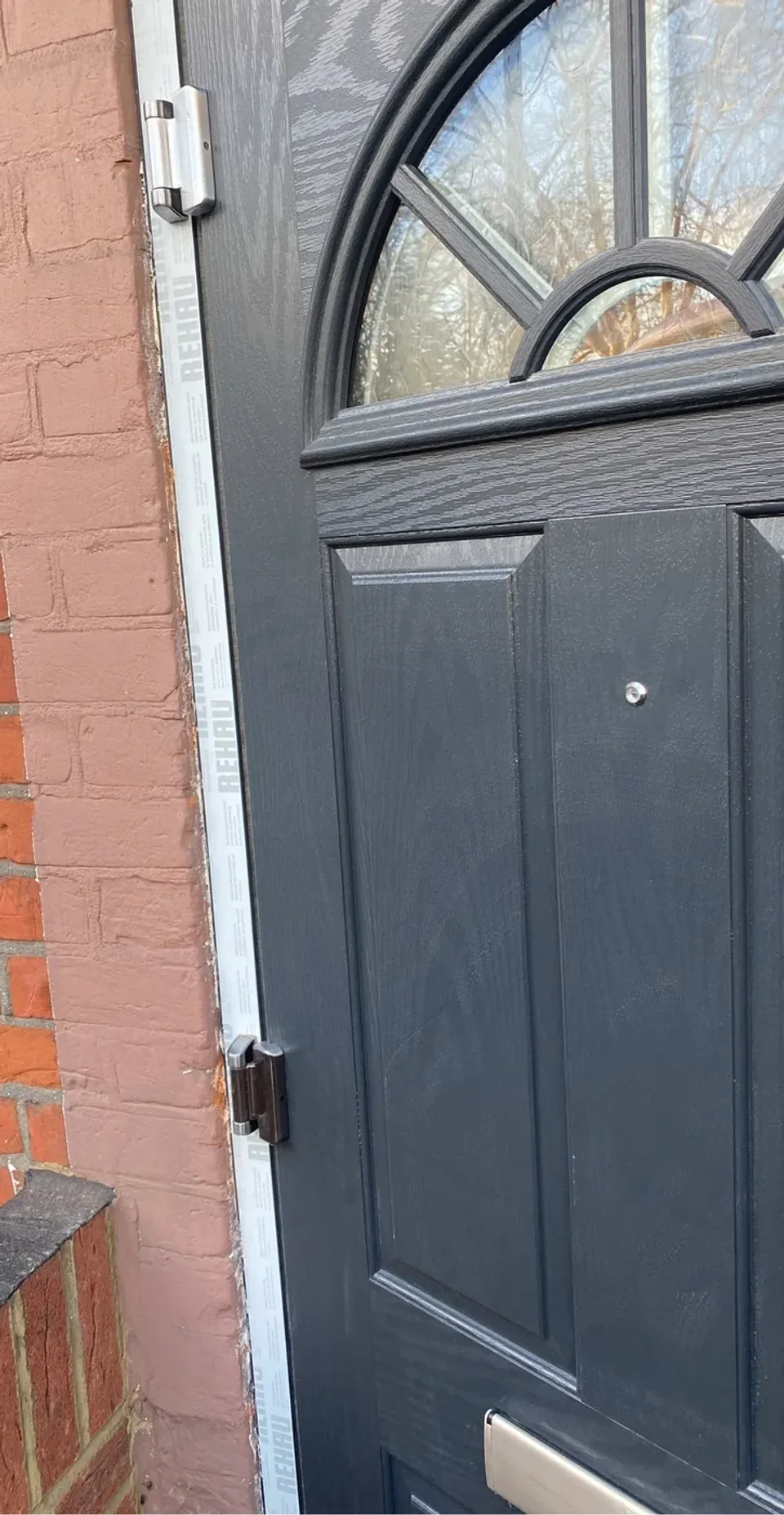
Explain what has been damaged
Mention a broken cylinder, displaced lock, loose keep, split timber or a door that no longer meets its frame. You do not need to investigate the damage yourself. Explain whether another entrance remains usable and whether the affected door is a private or shared entrance. These details help establish the scope of the enquiry.
Distinguish temporary securing from the final repair
Replacing a lock alone may not resolve damage around its fixing points. Ask which work can restore security now and whether a separate door or frame repair will be needed. If temporary securing is proposed, clarify its limitations, how occupants will enter and leave, and what further work remains. Do not assume every repair can be completed in one visit.
Keep control of the work being authorised
Have the owner or other authorised decision-maker available, especially for rented premises or shared entrances. Ask for the proposed parts, labour and any temporary work to be explained separately. Keep photographs and any paperwork you receive for your own records. Wider upgrades can be discussed after the immediate repair requirements are understood, without treating extra hardware as an automatic necessity.